
AGRILIV (Agriculture, Environment and Livelihoods) is a team of passionate innovators and community builders on a mission to transform how Uganda faces a changing climate. Born out of a deep belief that every community deserves the tools to thrive, we work alongside smallholder farmers and agro-pastoralists to turn environmental challenges into lasting opportunities. By restoring degraded landscapes, bringing clean energy and reliable water systems to remote areas, and championing local entrepreneurship—especially for women and youth—we aren’t just adapting to climate change; we are actively shaping a greener, more resilient, and self-sustaining world. Delivered in close collaboration with our sister organization AGRENES and leading technical partners, our work is driven by a shared ambition: to build a future where sustainable agriculture powers flourishing livelihoods for generations to come.
Empowering Women, Youth, and Farmers through Climate-Resilient Agriculture in East Africa
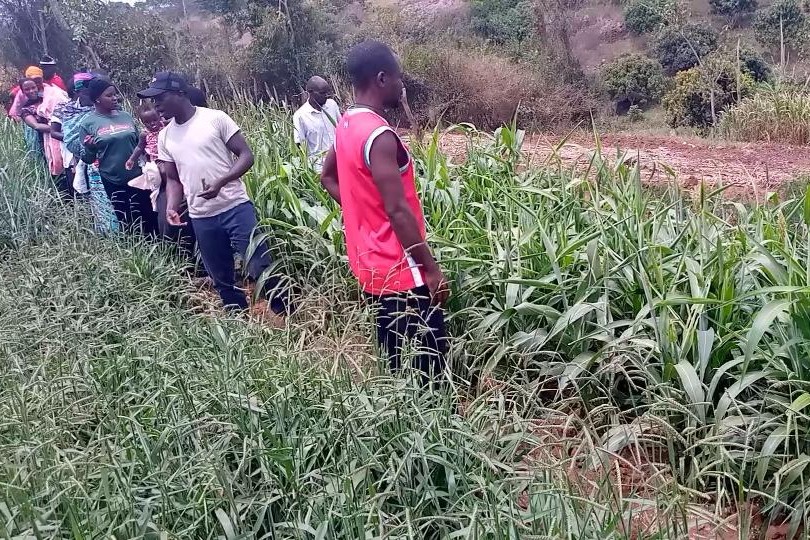
AGRILIV field activity bringing together local farmers to learn sustainable farming techniques and landscape restoration practices.
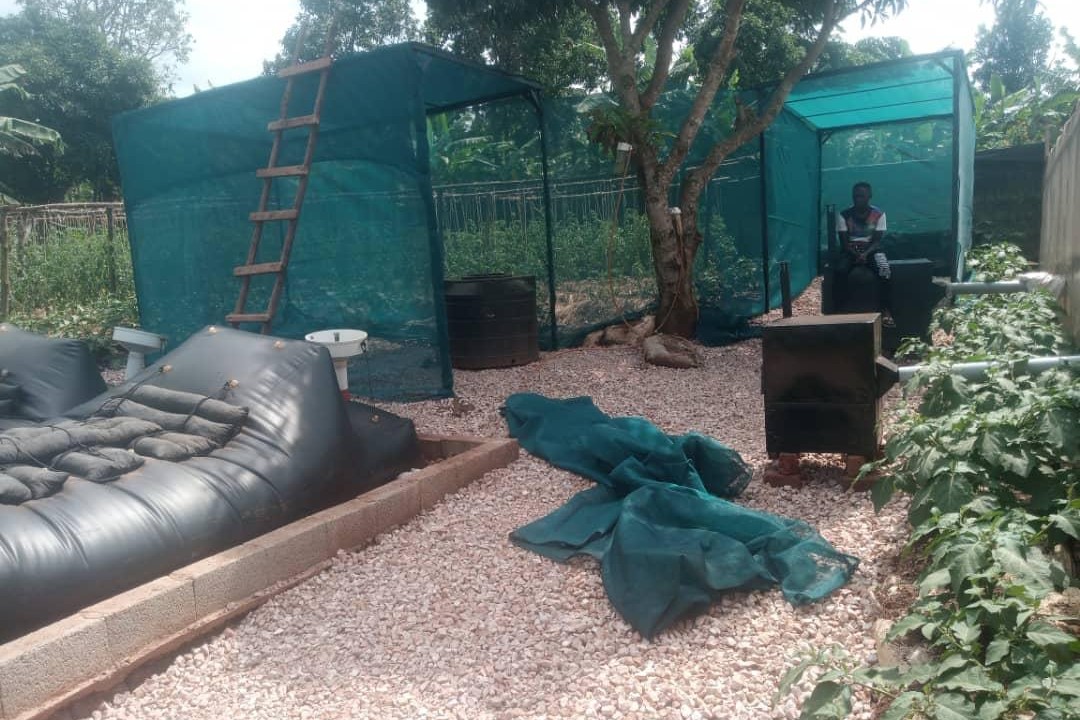
Local champions installing bio-fertilizer and biogas infrastructure as part of AGRILIV's sustainable energy and youth empowerment initiatives in Uganda.
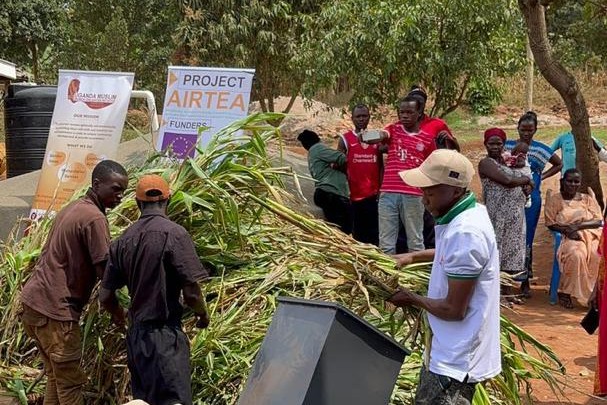
AGRILIV field activity bringing together smallholder farmers to explore sustainable land management practices and high-yield crop techniques in Uganda.
Agriculture, Environment and Livelihood (AGRILIV) is a Uganda-registered NGO working to strengthen climate resilience among agro-pastoral and farming communities across Northern Uganda, West Nile, and the Karamoja sub-region. Incorporated in 2017, AGRILIV has partnered with the Food and Agriculture Organization of the United Nations and the European Union to deliver projects in rangeland rehabilitation, water resource management, and renewable energy, including biogas systems that provide clean, labour-saving energy to smallholder households. Our work centers gender-responsive approaches, with a particular focus on training youth and women as green-energy entrepreneurs and agricultural champions within their communities.
Renewable Energy & Livelihoods
AGRILIV’s renewable energy work is anchored in a technology proven to change household economics at scale: biogas. Since 2018, we’ve delivered three separate FAO- and donor-funded biogas programs, each building on the last. Under the GCCA+ CRWEE project (2018–2019), we sensitized communities across twelve districts — Nebbi, Zombo, Arua, Maracha, Koboko, Yumbe, Moyo, Adjumani, Abim, Napak, Moroto, and Nakapiripirit — and installed 96 smallholder biogas systems while training 48 youth champions in fabrication and business models. In 2024, we returned with a second FAO-funded pilot in Katakwi and Kaberamaido, installing a further 20 Flexi-Biogas and bio-fertilizer units and training over 250 smallholder farmers directly in their use. Altogether, AGRILIV has fabricated and installed more than 160 biogas and bio-fertilizer systems and trained upward of 90 young people and women as certified biogas artisans and entrepreneurs — a workforce that continues generating income long after our projects close. This is renewable energy delivered not as aid, but as infrastructure paired with the trade skills to sustain it.

AGRILIV’s clean energy infrastructure replacing wood fuel at local dairy hubs to reduce deforestation and cut carbon emissions.
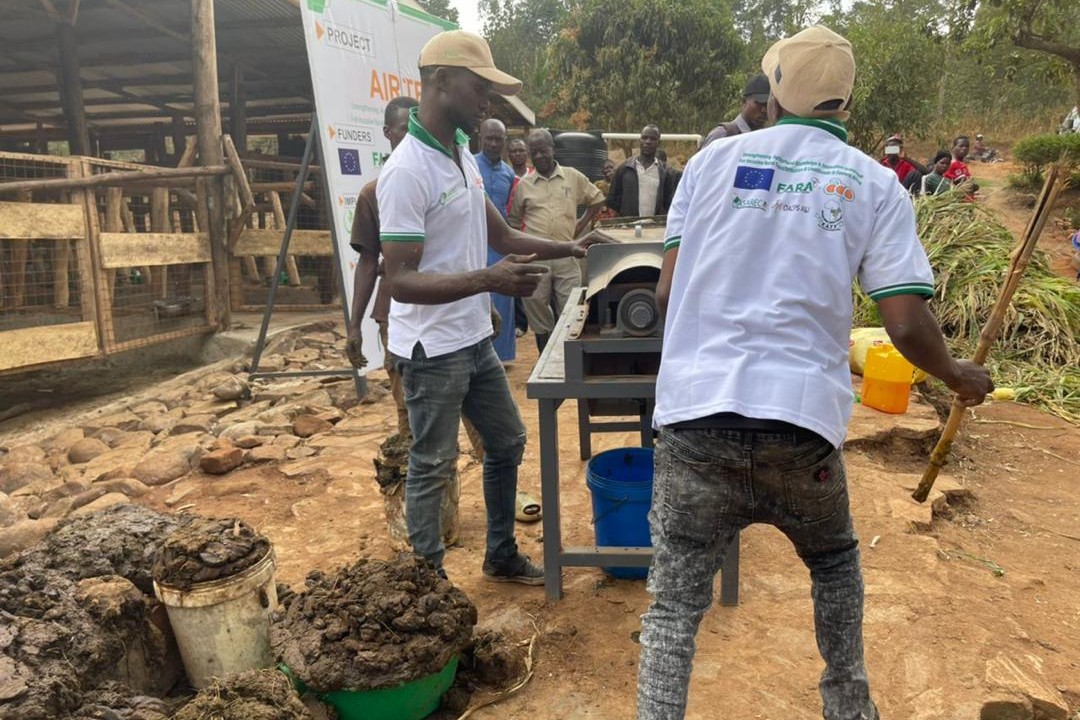
Capacity building for youth and women through technical skill development and sustainable energy entrepreneurship.
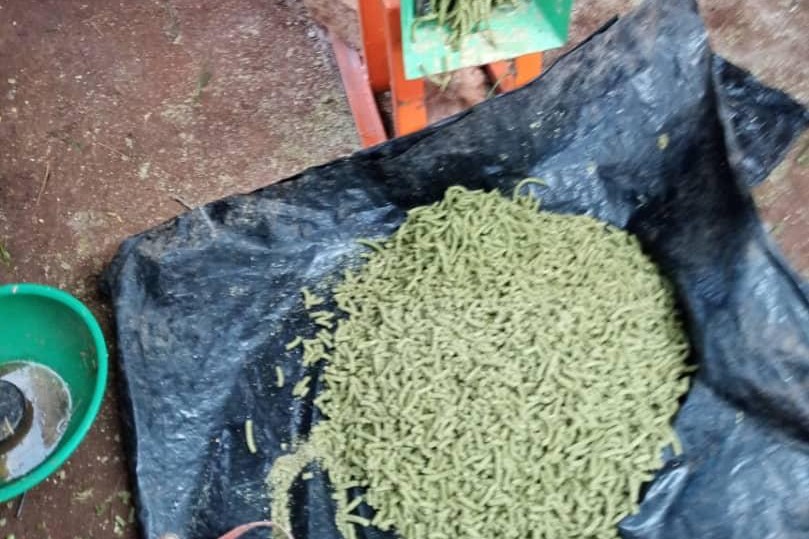
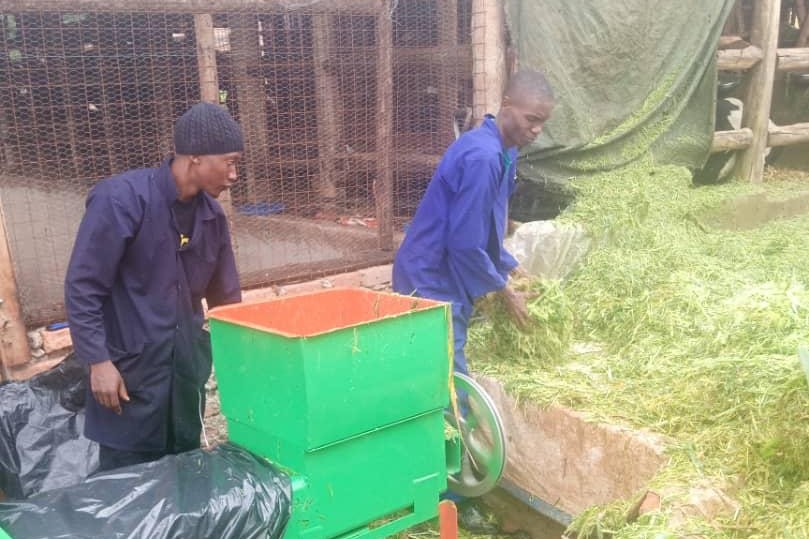
Processing resilient bio-forage and organic feed to promote climate-smart livestock management and agricultural value addition.
Youth & Women Empowerment
Every program AGRILIV runs is built around a deliberate bet: that the fastest way to build lasting resilience is to put technical skills and economic opportunity directly into the hands of the young people and women who are too often left out of both. This isn’t a side initiative — it’s structurally embedded in how we design every project. Across our biogas programs alone, we’ve trained 90-plus youth and women as certified artisans and entrepreneurs, from the 48 champions trained under GCCA+ CRWEE to the 42 trained in our 2024 Teso pilot. Beyond biogas, our 2022 DanChurchAid-funded work in Amudat, Karamoja, extended this same commitment into capacity-building for NGO field staff themselves, training them in agroecological performance evaluation. Backed by consortium partnerships with Muni University and Lira University, our training isn’t informal — it’s technically grounded, donor-audited, and designed to produce entrepreneurs who own their livelihoods outright, not dependents of continued aid

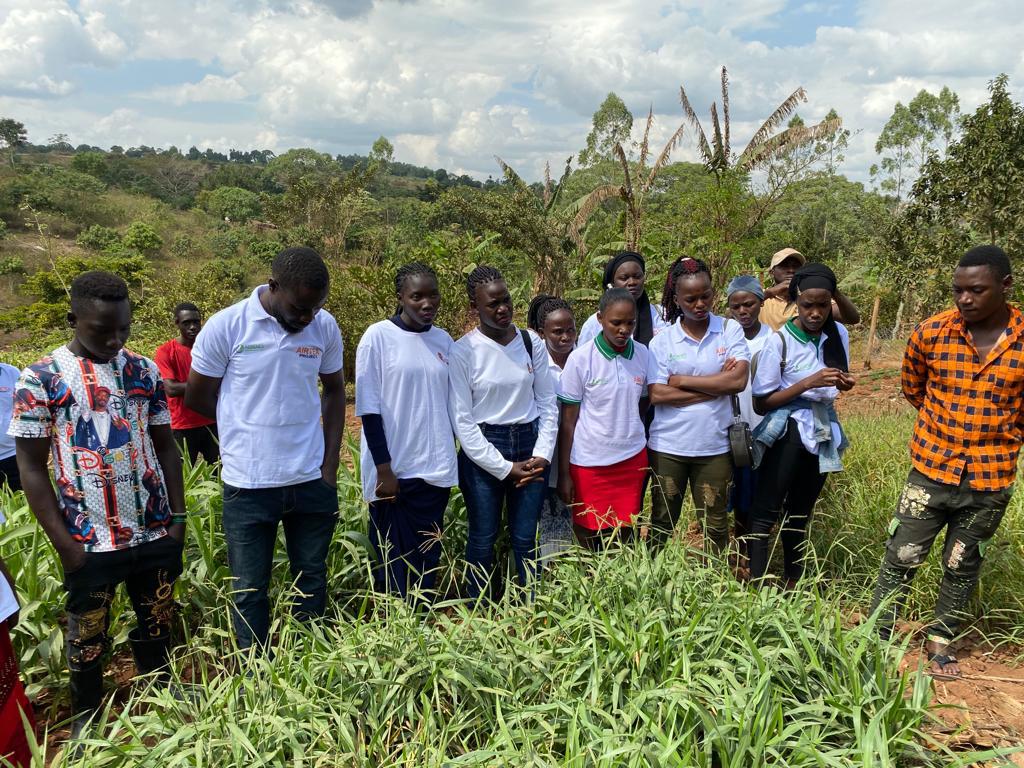
Community-led capacity building empowering local youth and smallholders to adopt sustainable farming and ecosystem management in Uganda.
Celebrating community partnerships and practical learning as local youth and farmers complete AGRILIV’s field-based training in Uganda.
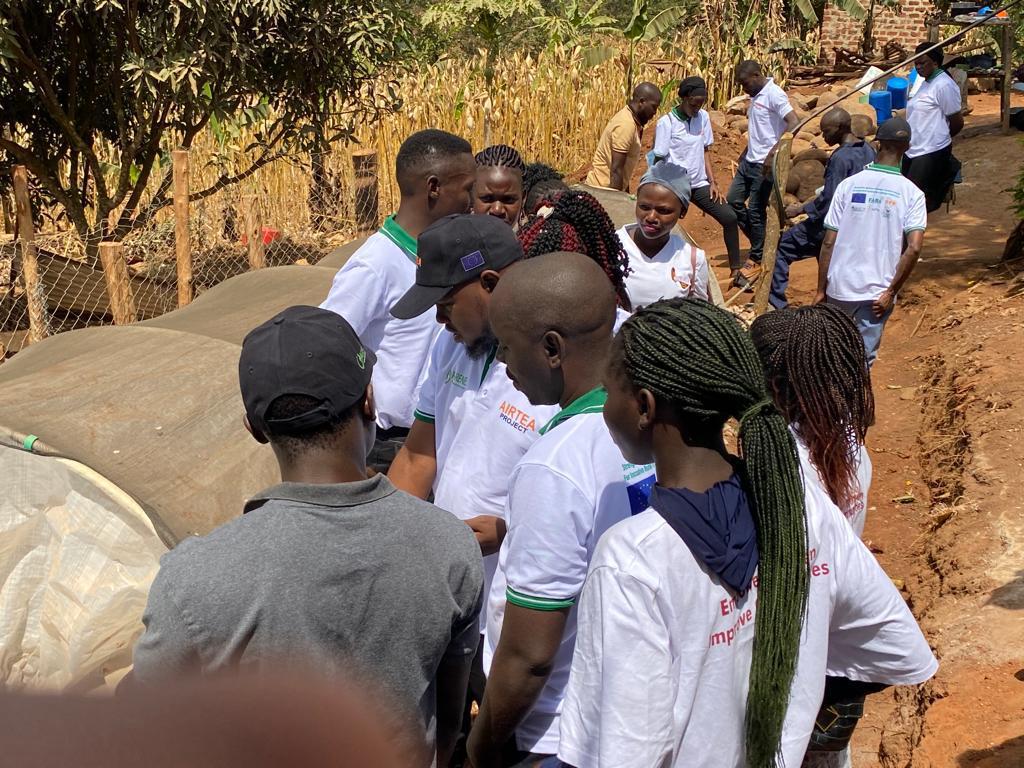
Celebrating community partnerships and practical learning as local youth and farmers complete AGRILIV’s field-based training in Uganda.
Climate Resilience
Since our incorporation in 2017, AGRILIV has built one of Uganda’s more substantial track records in agro-pastoral climate adaptation — work funded and validated by some of the largest institutional donors operating in this space. Through the EU-funded MOBIP-RAWM project (November 2019 – July 2022), we rehabilitated degraded rangeland, introduced agroforestry systems, and constructed water harvesting infrastructure across nine districts spanning Uganda’s central cattle corridor: Nakasongola, Nakaseke, Masindi, Kyankwanzi, Kiboga, and the greater Mbarara districts of Isingiro, Kiruhura, and Sembabule. This wasn’t a single intervention — it combined applied agricultural research, farmer training in water tank management, and pasture establishment delivered in consortium with SOLIDARIDAD Eastern and Central Africa and Sasakawa Global 2000-Uganda, two of the region’s most established agricultural development organizations. We’re now extending this same model into Karamoja through a proposed Mountains ADAPT project with UNEP, targeting the Matheniko agro-pastoral community in Rupa Sub-county, Moroto District. Climate resilience, to AGRILIV, means infrastructure that outlasts a single funding cycle — and a track record that spans multiple donors, multiple regions, and nearly a decade of continuous work.

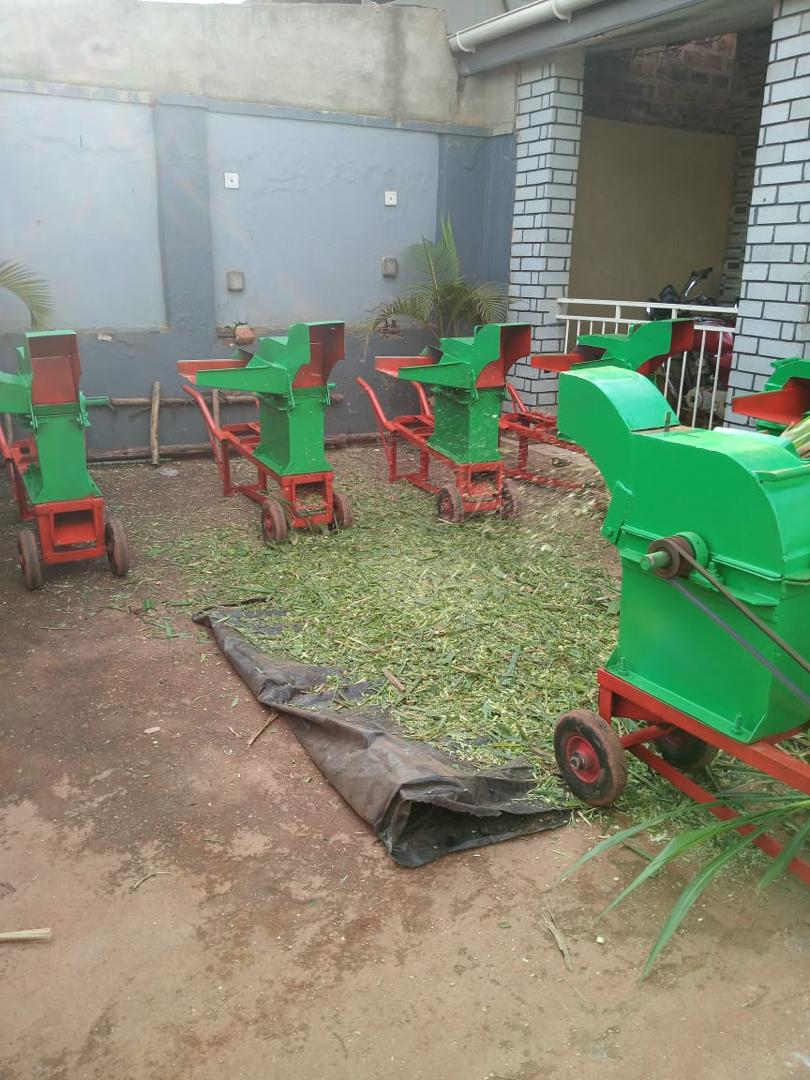
AGRILIV’s technology-driven climate adaptation initiative equipping agro-pastoral communities with modern processing equipment for enhanced productivity and feed security.
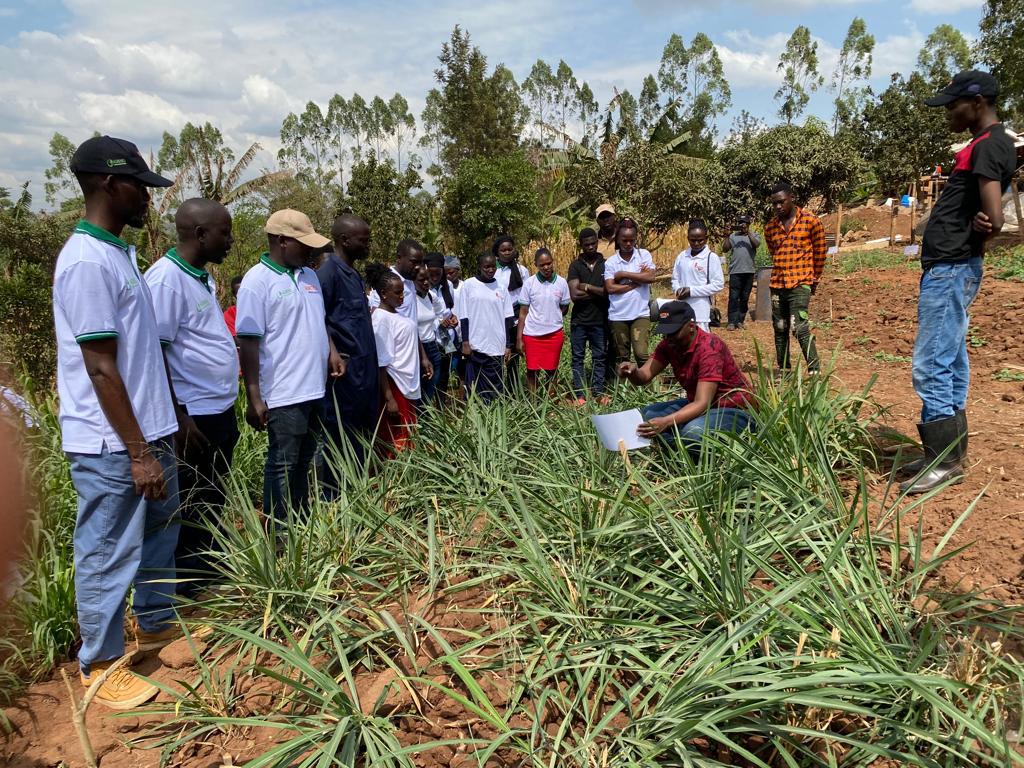
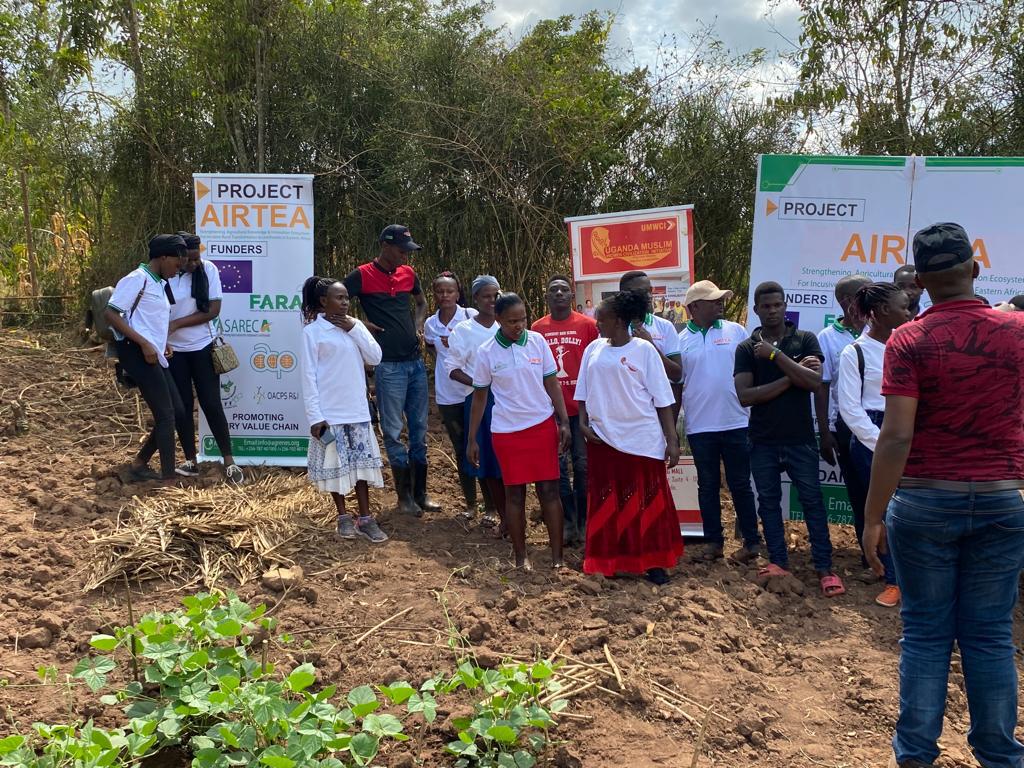
Driving climate adaptation through interactive, field-based learning sessions where farmers and community leaders collaborate on sustainable land and water management solutions

AGRILIV’s holistic climate resilience model driving widespread community engagement across smallholders, women, and local leaders to tackle climate impacts together.
